|
Here are the highlights and accomplishments from the Gonzalez Lab in 2023. As we wrap up another incredible year of research and collaboration, we are excited to share with you…͏ ͏ ͏ ͏ ͏ ͏ ͏ ͏ ͏ ͏ ͏ ͏ ͏ ͏ ͏ ͏ ͏ ͏ ͏ ͏ ͏ ͏ ͏ ͏ ͏ ͏ ͏ ͏ ͏ ͏ ͏ ͏ ͏ ͏ ͏ ͏ ͏ ͏ ͏ ͏ ͏ ͏ ͏ ͏ ͏ ͏ ͏ ͏ ͏ ͏ ͏ ͏ ͏ ͏ ͏ ͏ ͏ ͏ ͏ ͏ ͏ ͏ ͏ ͏ ͏ ͏ ͏ ͏ ͏ ͏ ͏ ͏ ͏ ͏ ͏ ͏ ͏ ͏ ͏ ͏ ͏ ͏ ͏ ͏ ͏ ͏ ͏ ͏ ͏ ͏ ͏ ͏ ͏ ͏ ͏ ͏ ͏ ͏ ͏ ͏ ͏ ͏ ͏ ͏ ͏ ͏ ͏ ͏ ͏ ͏ ͏ ͏ ͏ ͏ ͏ ͏ ͏ ͏ ͏ ͏ ͏ ͏ ͏ ͏ ͏ ͏ ͏ ͏ ͏ ͏ ͏ ͏ ͏ ͏ ͏ ͏ ͏ ͏ ͏ ͏ ͏ ͏ ͏ ͏ ͏ ͏ ͏ ͏ ͏ ͏ ͏ ͏ ͏ ͏ ͏ ͏ ͏ ͏ ͏ ͏ ͏ ͏ ͏ ͏ ͏ ͏ ͏ ͏ ͏ ͏ ͏ ͏ ͏ ͏ ͏ ͏ ͏ ͏ ͏ ͏ ͏ ͏ ͏ ͏ ͏ ͏ ͏ ͏ ͏ ͏ ͏ ͏ ͏ ͏ ͏ ͏ ͏ ͏ ͏ ͏ ͏ ͏ ͏ ͏ ͏ ͏ ͏ ͏ ͏ ͏ ͏ ͏ ͏ ͏ ͏ ͏ ͏ ͏ ͏ ͏ ͏ ͏ ͏ ͏ ͏ ͏ ͏ ͏ ͏ ͏ ͏ ͏ ͏ ͏ ͏ ͏ ͏ ͏ ͏ ͏ ͏ ͏ ͏ ͏ ͏ ͏ ͏ ͏ ͏ ͏ ͏ ͏ ͏ ͏ ͏
✨ 2023 Highlights ✨As we wrap up another incredible year of research and collaboration, we are excited
to share with you the highlights and accomplishments from the Gonzalez Lab
in 2023.
We are grateful for the support from each and every one of you!
|
Our research in biodiversity conservation
|
A framework for the detection and attribution of biodiversity changeHow we update our understanding of where and why biodiversity is changing is vital if we are to track our progress toward the goals and targets of the global biodiversity framework under the United Nations (UN) Convention for Biological Diversity. In this paper, we proposed a framework that links data to knowledge. The framework provides a pathway to strengthen the bridge between knowledge about biodiversity change—how we detect and explain the trends we see—and the ways it can inform policy and guide effective conservation action.
|
A global biodiversity observing system to unite monitoring and guide actionThe rate and extent of global biodiversity change is surpassing our ability to measure, monitor, and forecast trends across different dimensions of biodiversity (genes, species, communities and ecosystems). In this article, we offer a blueprint for an interconnected worldwide system of observation networks — a global biodiversity observing system (GBiOS) — to coordinate monitoring within and among nations worldwide. We currently lack a system like it that can use traditional and modern methods and technologies to observe and track the changing state of the biosphere at different scales and to update our knowledge of where we must focus our efforts. The knowledge produced by GBiOS would inform action to reach international biodiversity targets.
|
Rapid monitoring of ecological persistenceField-based surveys and research are the main ways that we monitor the health of species and ecosystems. However, fieldwork is expensive and time-consuming, meaning that, in practice, only small areas of the world's ecosystems can be monitored. Here, we establish a strong bridge from network theory to monitoring and conservation. We show, with theory, statistics, and empirical validation, that small amounts of incomplete field data can be “scaled up” to rapidly assess the persistence of whole ecological communities. Our work suggests that ecosystem health can be rapidly and repeatedly assessed using minimal resources, which could substantially improve our ability to monitor progress toward biodiversity policy targets.
|
Our partnerships translating
science into action
|
|
|
|
|
Andy Represented GEO BON at 10th IPBES PlenaryIn late August, Andy attended the 10th plenary of the Intergovernmental Platform on Biodiversity and Ecosystem Services in Bonn, Germany. He was there on behalf of GEO BON to support the process leading to the approval of two new knowledge assessments - one, a methodological assessment on monitoring biodiversity and nature’s contributions to people, and the other on integrated biodiversity-inclusive spatial planning and ecological connectivity. These are two assessments that can be supported by GEO BON's experts. They are also at the center of his current research interests. “So, I was particularly happy when the new assessments were approved after a week of long and sometimes late-night negotiations” says Andy. “It was a fascinating experience and I learned so much about science-policy negotiations by attending this meeting.”
These new assessments will provide the knowledge needed by Parties to implement the Kunming-Montreal Global Biodiversity Framework of the UN Convention on Biological Diversity.
|
|
|
|
|
|
|
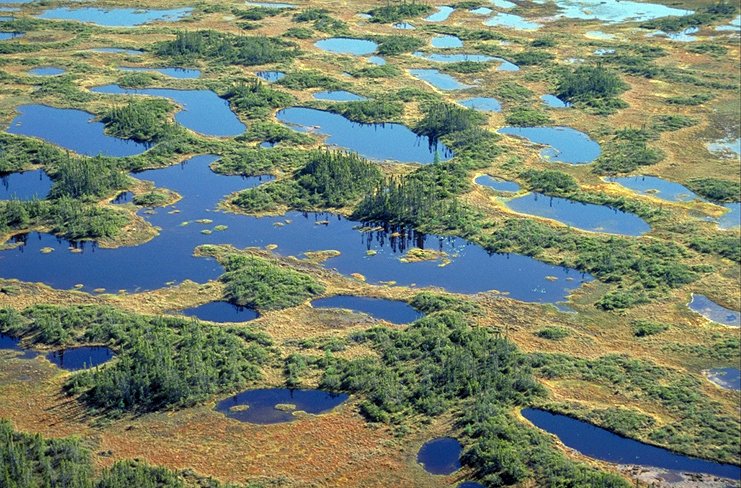
Workshop with Parks Canada: Exploring the Hudson-James Bay LowlandsIn October 2023, GEO BON - of which Andy is co-chair - hosted a workshop for Parks Canada, the federal agency in charge of managing the nation’s National Parks. Experts from Canada and around the world as well as federal representatives and indigenous people came together to envision a new National Park that would protect one of the world's largest peatlands in the Hudson Bay Lowlands. This unique arctic ecosystem is home to thousands of species and many indigenous communities. During the workshop, attendees discussed how to set up the Park to benefit all Canadians, starting with the communities living there and their needs. It concluded with a shortlist of ideas on how stakeholders and rightsholders in the area could collaborate to promote biodiversity, carbon storage and customary sustainable use from the bottom up to ensure that both people and nature are protected together. The workshop was a lab effort, organised by Juan and supported by Flavio & Agnes who moderated some of the conversations.
(photo: Hudson Lowlands by Evan Ferrari) |
|
|
|
✨Highlights✨ from our lab members
|
|
This year, I spent my fall field study semester in Barbados at McGill's Bellairs Research Institute. While being mentored and supported by local stakeholders, I collaborated on a research project studying the New Guinea flatworm. This marks a first in Barbados for a project regarding this invasive species known to prey on local soil biodiversity. Emma Bergeron Quick
|
|
|
|
|
|
|
|
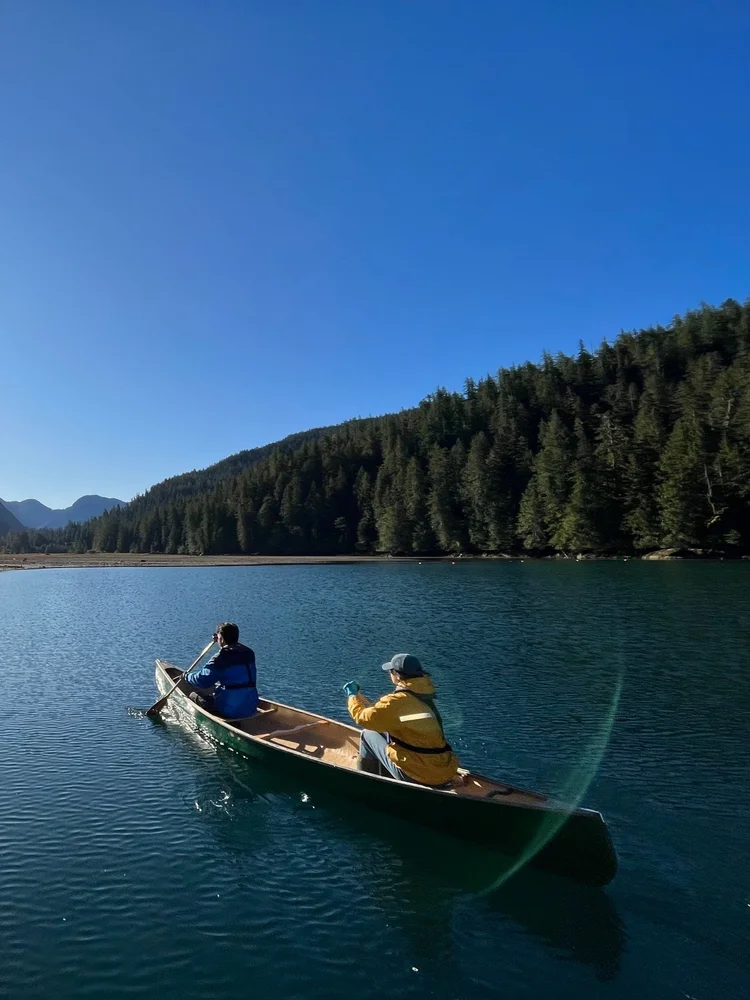
The summer season was exciting: I travelled to British Columbia to work with First Nations on monitoring sea otters and continued in Portland (OR) where I presented our team’s work on monitoring ecosystem services to the world's largest community of ecologists. The year ended on a high note with an opportunity to work with the UN CBD and support the development of indicators for the Global Biodiversity Framework. Flavio Affinito
|
|
|
|
|
|
|
|
My academic highlight of the year was submitting my thesis this month, nearly four years in the making! I wrote three chapters on the application of methods from computational statistics, network science, and machine learning for understanding and predicting species interaction networks and how they are changing due to anthropogenic pressures. Michael Catchen
|
|
|
|
|
|
My academic highlight has been starting my MSc and developing my project into something that I'm very excited about. Samara Manzin
|
|
|
|
|
|
|
|
I was very happy to conduct my first independent academic research in which I got the opportunity to conduct many enlightening interviews on Montreal green space. You can find the blog post I wrote about it here. Majdi Hunter-Batal
|
|
|
|
|
|
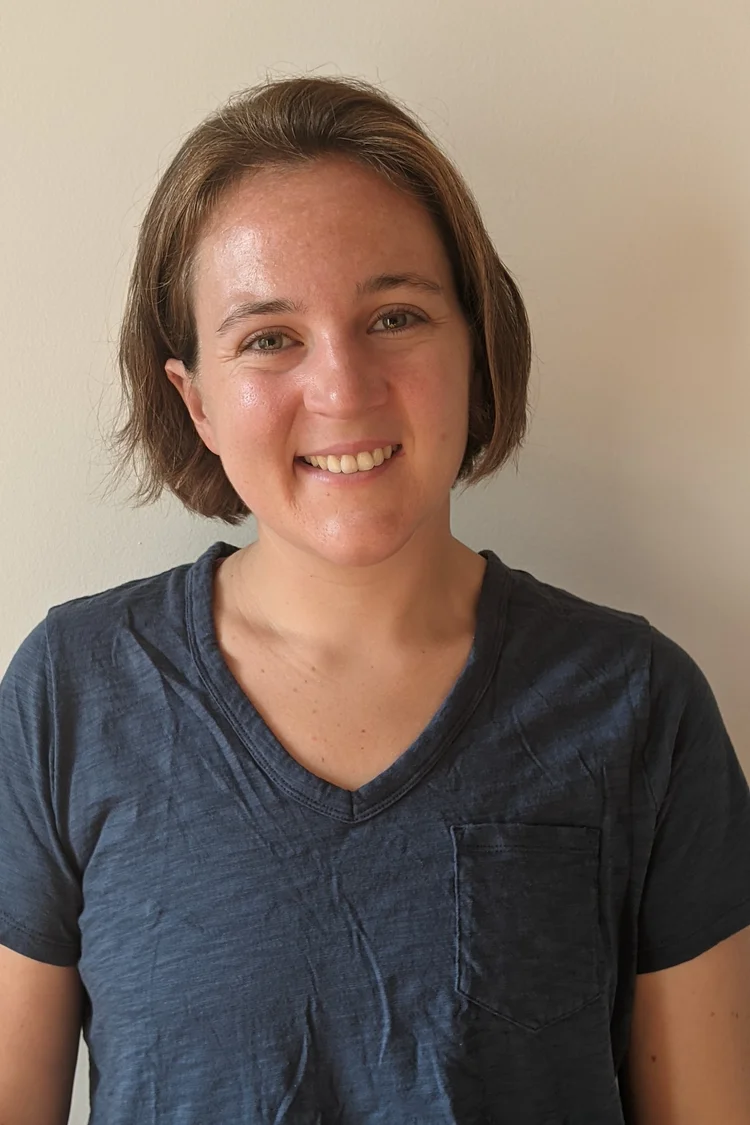
My academic highlight this year was finishing my Masters degree. For my thesis, I explored how habitat size and complexity in mangroves affect the inhabitant fish community. I'm now excited to celebrate the holidays with my family in New Jersey. Katie Grabowski
|
|
|
|
|
|
Welcoming New Faces and
Bidding Farewell
|
|
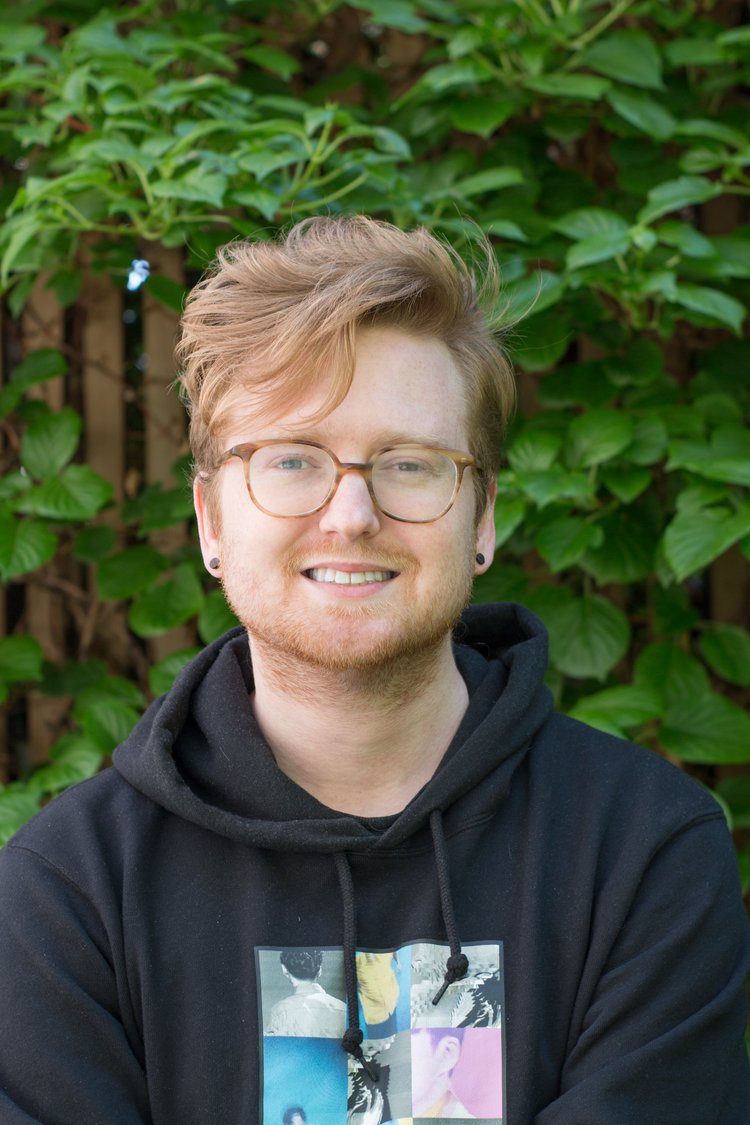
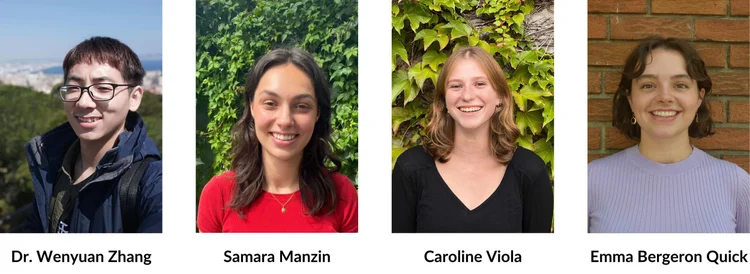
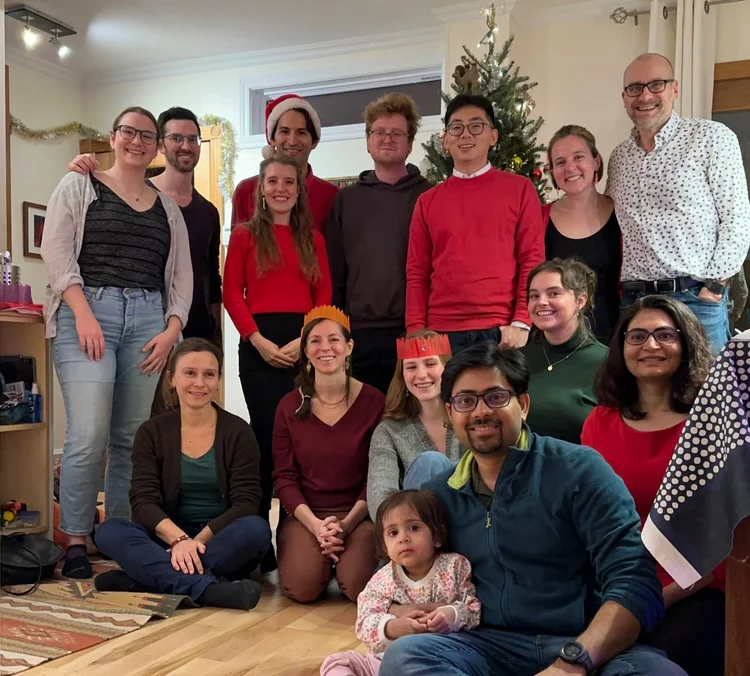
In 2023, the Gonzalez Lab saw both arrivals and departures, each contributing to the dynamic and collaborative spirit of our team. We extend a warm welcome to the newest members who joined us this year, bringing their unique perspectives and expertise to our lab.
|
|
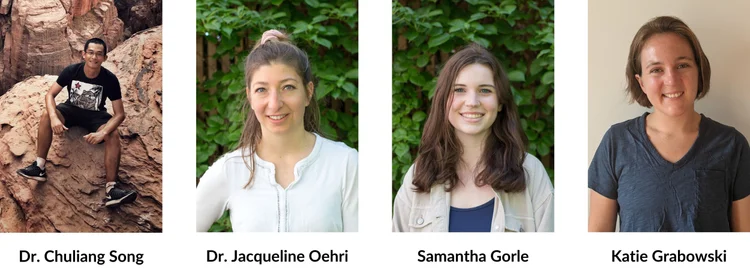
At the same time, we express our heartfelt gratitude to those who have moved on to new opportunities, leaving a lasting impact on the Gonzalez Lab. We wish them continued success in their future endeavors.
|
Thanks to Our Partners:
A Year of Collaboration
|
|
The Gonzalez Lab would like to extend our sincere thanks to our partners, collaborators, and supporters. Your commitment to advancing scientific knowledge and promoting collaborative research has been instrumental in the success of our projects. We look forward to continuing and expanding these partnerships in the coming year, working together to address complex ecological challenges and contribute to a sustainable and resilient future.
|
As we reflect on the achievements of 2023,
we are energized and excited about the opportunities that lie ahead. The Gonzalez Lab remains dedicated to pushing the boundaries of ecological research and making meaningful contributions to the monitoring and understanding of biodiversity.✨Wishing you all a joyful holiday season and a prosperous
New Year!✨
|
|
|
|