A global biodiversity conference in Montreal, new PNAS paper and 4 ways to communicate science effectivelyΝβ€Œ Νβ€Œ Νβ€Œ Νβ€Œ Νβ€Œ Νβ€Œ Νβ€Œ Νβ€Œ Νβ€Œ Νβ€Œ Νβ€Œ Νβ€Œ Νβ€Œ Νβ€Œ Νβ€Œ Νβ€Œ Νβ€Œ Νβ€Œ Νβ€Œ Νβ€Œ Νβ€Œ Νβ€Œ Νβ€Œ Νβ€Œ Νβ€Œ Νβ€Œ Νβ€Œ Νβ€Œ Νβ€Œ Νβ€Œ Νβ€Œ Νβ€Œ Νβ€Œ Νβ€Œ Νβ€Œ Νβ€Œ Νβ€Œ Νβ€Œ Νβ€Œ Νβ€Œ Νβ€Œ Νβ€Œ Νβ€Œ Νβ€Œ Νβ€Œ Νβ€Œ Νβ€Œ Νβ€Œ Νβ€Œ Νβ€Œ Νβ€Œ Νβ€Œ Νβ€Œ Νβ€Œ Νβ€Œ Νβ€Œ Νβ€Œ Νβ€Œ Νβ€Œ Νβ€Œ Νβ€Œ Νβ€Œ Νβ€Œ Νβ€Œ Νβ€Œ Νβ€Œ Νβ€Œ Νβ€Œ Νβ€Œ Νβ€Œ Νβ€Œ Νβ€Œ Νβ€Œ Νβ€Œ Νβ€Œ Νβ€Œ Νβ€Œ Νβ€Œ Νβ€Œ Νβ€Œ Νβ€Œ Νβ€Œ Νβ€Œ Νβ€Œ Νβ€Œ Νβ€Œ Νβ€Œ Νβ€Œ Νβ€Œ Νβ€Œ Νβ€Œ Νβ€Œ Νβ€Œ Νβ€Œ Νβ€Œ Νβ€Œ Νβ€Œ Νβ€Œ Νβ€Œ Νβ€Œ Νβ€Œ Νβ€Œ Νβ€Œ Νβ€Œ Νβ€Œ Νβ€Œ Νβ€Œ Νβ€Œ Νβ€Œ Νβ€Œ Νβ€Œ Νβ€Œ Νβ€Œ Νβ€Œ Νβ€Œ Νβ€Œ Νβ€Œ Νβ€Œ Νβ€Œ Νβ€Œ Νβ€Œ Νβ€Œ Νβ€Œ Νβ€Œ Νβ€Œ Νβ€Œ Νβ€Œ Νβ€Œ Νβ€Œ Νβ€Œ Νβ€Œ Νβ€Œ Νβ€Œ Νβ€Œ Νβ€Œ Νβ€Œ Νβ€Œ Νβ€Œ Νβ€Œ Νβ€Œ Νβ€Œ Νβ€Œ Νβ€Œ Νβ€Œ Νβ€Œ Νβ€Œ Νβ€Œ Νβ€Œ Νβ€Œ Νβ€Œ Νβ€Œ Νβ€Œ Νβ€Œ Νβ€Œ Νβ€Œ Νβ€Œ Νβ€Œ Νβ€Œ Νβ€Œ Νβ€Œ Νβ€Œ Νβ€Œ Νβ€Œ Νβ€Œ Νβ€Œ Νβ€Œ Νβ€Œ Νβ€Œ Νβ€Œ Νβ€Œ Νβ€Œ Νβ€Œ Νβ€Œ Νβ€Œ Νβ€Œ Νβ€Œ Νβ€Œ Νβ€Œ Νβ€Œ Νβ€Œ Νβ€Œ Νβ€Œ Νβ€Œ Νβ€Œ Νβ€Œ Νβ€Œ Νβ€Œ Νβ€Œ Νβ€Œ Νβ€Œ Νβ€Œ Νβ€Œ Νβ€Œ Νβ€Œ Νβ€Œ Νβ€Œ Νβ€Œ Νβ€Œ Νβ€Œ Νβ€Œ Νβ€Œ Νβ€Œ Νβ€Œ Νβ€Œ Νβ€Œ Νβ€Œ Νβ€Œ Νβ€Œ Νβ€Œ Νβ€Œ Νβ€Œ Νβ€Œ Νβ€Œ Νβ€Œ Νβ€Œ Νβ€Œ Νβ€Œ Νβ€Œ Νβ€Œ Νβ€Œ Νβ€Œ Νβ€Œ Νβ€Œ Νβ€Œ Νβ€Œ Νβ€Œ Νβ€Œ Νβ€Œ Νβ€Œ Νβ€Œ Νβ€Œ Νβ€Œ Νβ€Œ Νβ€Œ Νβ€Œ Νβ€Œ Νβ€Œ Νβ€Œ Νβ€Œ Νβ€Œ Νβ€Œ Νβ€Œ Νβ€Œ Νβ€Œ Νβ€Œ Νβ€Œ Νβ€Œ Νβ€Œ Νβ€Œ Νβ€Œ Νβ€Œ Νβ€Œ Νβ€Œ Νβ€Œ Νβ€Œ 
The Gonzalez Lab

Welcome to our March newsletter.

Highlights from this month: Global Conference on Biodiversity Monitoring announced for October; new PNAS paper on movement and habitat fragmentation; four unconventional science communication strategies.

BIODIVERSITY NEWS FROM AROUND THE WORLD


New IPCC report

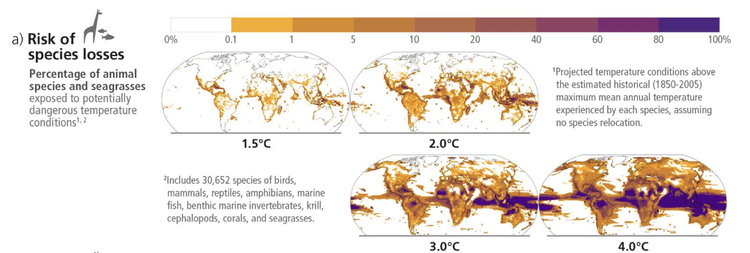
A new IPCC Report has come out recently, urging once again for transformative and immediate action to avert catastrophic consequences for life as we know it. Specifically, it states that β€œsafeguarding biodiversity and ecosystems is fundamental to climate resilient development, but biodiversity and ecosystem services have limited capacity to adapt to increasing global warming levels, making climate resilient development progressively harder to achieve beyond 1.5Β°C warming”. If we are to limit global warming to 1.5Β°C, β€œglobal GHG emissions are to peak in the early 2020s followed by rapid and deep reductions”.

 Read the report here 

BIODIVERSITY NEWS FROM CANADA


GEO BON conference in October on β€œBiodiversity Monitoring for Action”

One year after COP15 of the UN CBD and the landmark agreement of a Global Biodiversity Framework, the GEO BON global conference will focus on the grand challenge of β€˜Monitoring Biodiversity for Action’. A central theme will be the development of best practices and new technologies for biodiversity observations and monitoring to support transformative policy and conservation action.  

The conference will offer a venue for sharing and exchanging scientific and traditional knowledge related to biodiversity change, from genes to ecosystems; the associated contributions to people, across all sectors of society; and its conservation, sustainable use and shared benefits.

 Learn more 

LAB UPDATES


Read our latests posts

How can I get into research in ecology as an undergraduate? A how-to guide

Does ecological research interest you but you’re not sure where to get started? You’ve come to the right place. While in the previous blog post I covered what kinds of cool things I get to do as an undergraduate researcher in ecology, now I’ll be sharing my personal advice on how to get involved.

 Read More 

Four unconventional strategies for effective science communication

As humans, we are hardwired to resist change. Change is not easy and asking individuals to do it anyways is no easy feat. However, it also isn't impossible and the latest behavioural and communication research are making big leaps in the science of how we change our minds. Here are four strategies to help you communicate science effectively to promote change.

 Read More 

News from our lab members

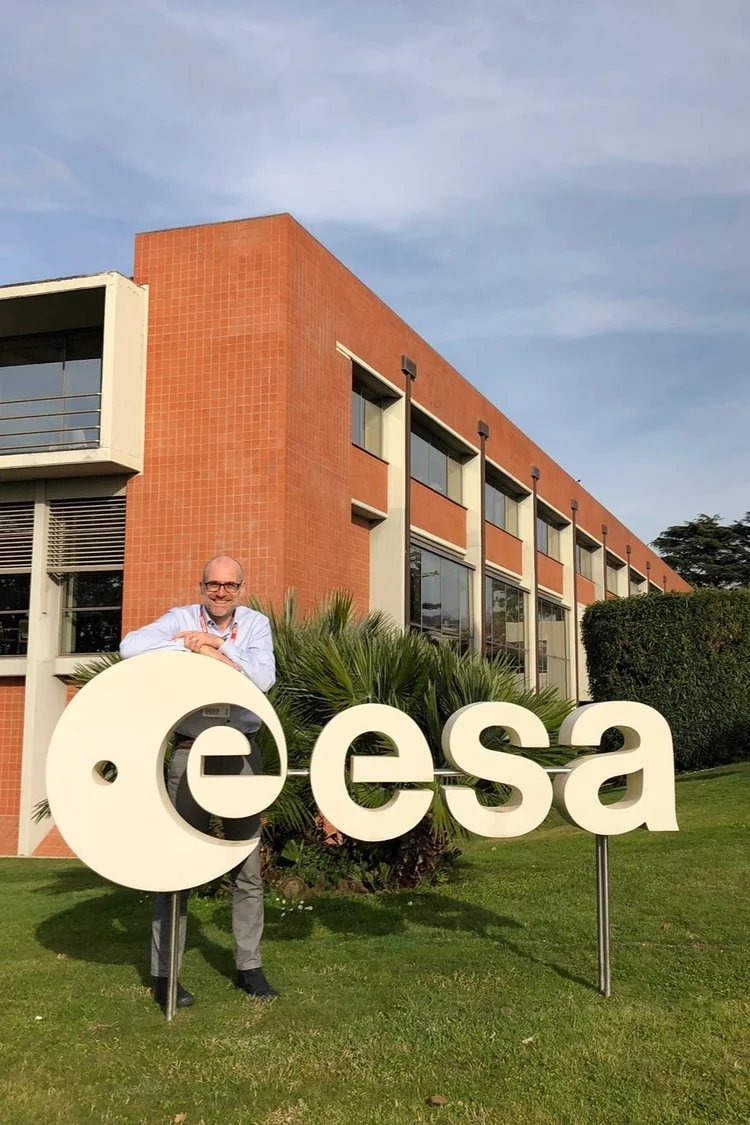
My trip to Europe to build partnerships for biodiversity science and policy

Since COP15 in Montreal, new partnerships are being formed worldwide to support the action needed to achieve the goals of the Global Biodiversity Framework. While technology has made it easier to communicate with others across the globe, there is no substitute for face-to-face interactions.

 Read More 

Gonzalez Lab in the media

Prof Gonzalez selected as runner up for McGill Principal's Prize for Public Engagement Through Media for his work on biodiversity and COP15 in 2022

Quebec bends language laws to lure international agencies to Montreal

Recently published

Spread of networked populations is determined by the interplay between dispersal behavior and habitat configuration B. Rayfield, C.B. Baines, L.J, Gilarranz, A. Gonzalez - Proceedings of the National Academy of Sciences, 2023

Currently reading…

BOOK:
Doughnut Economics
, explores the economic thinking needed to bring humanity into the Doughnut, a set of social and planetary boundaries, drawing together insights from diverse economic perspectives to create a space in which every living being can thrive.

BOOK:
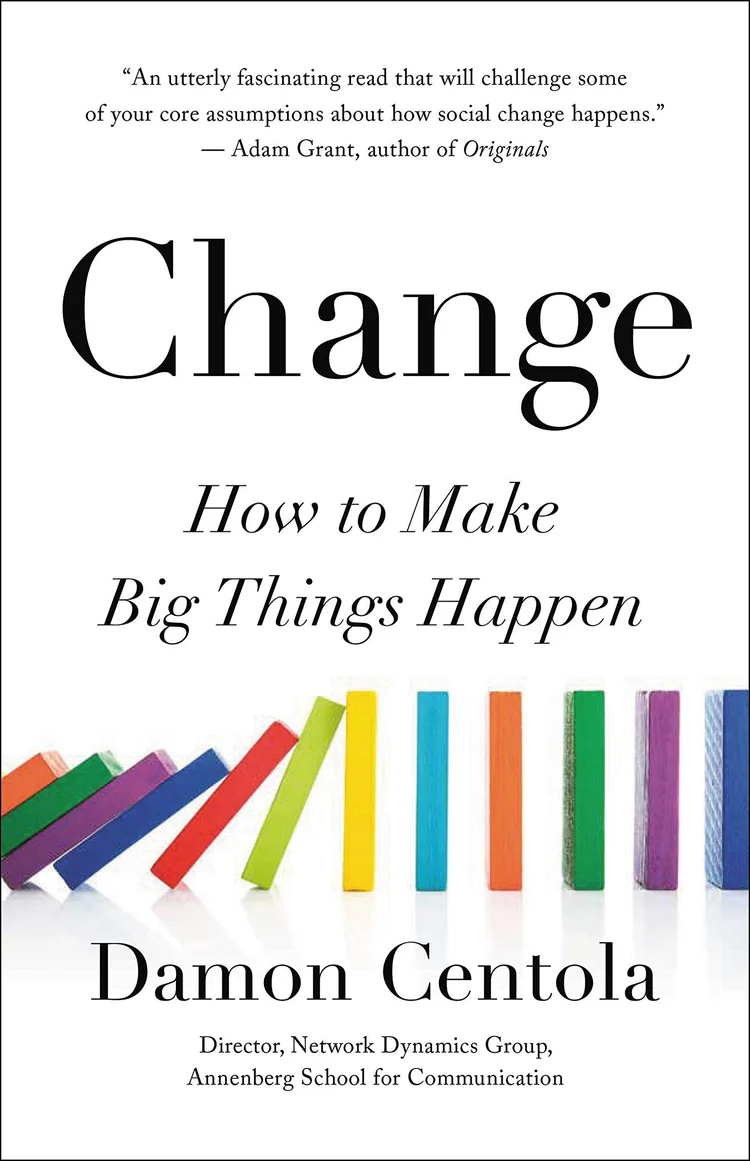
Change: How to Make Big Things Happen, answers to the core question of: β€œWhy do some changes work and why do some changes fail?”. It explains how to predict cultural behavioral change and develop policies to activate and promote it. Rather than making big things happen in your personal life, this book is about creating change in the wider worldβ€”your workplace, country and the planet.

Upcoming things we are excited about…

On April 27th, Prof Gonzalez will be giving a talk at the University of Connecticut on β€œBiodiversity Science & Solutions for the Anthropocene" as part of the The Edwin Way Teale Lecture Series.
He will also be travelling to Cambridge for the workshop on Global Knowledge Support Service for Biodiversity organised by UNEP WCMC from the 18th to 21st April.

The Gonzalez Lab
twitter email

The Gonzalez Lab, Department of Biology, McGill University 1205 Dr. Penfield Avenue, Montreal, H3A 1B1 Quebec, Canada

Powered by Squarespace

Unsubscribe